Small Acts of Kindness That Transform Your Daily Commute
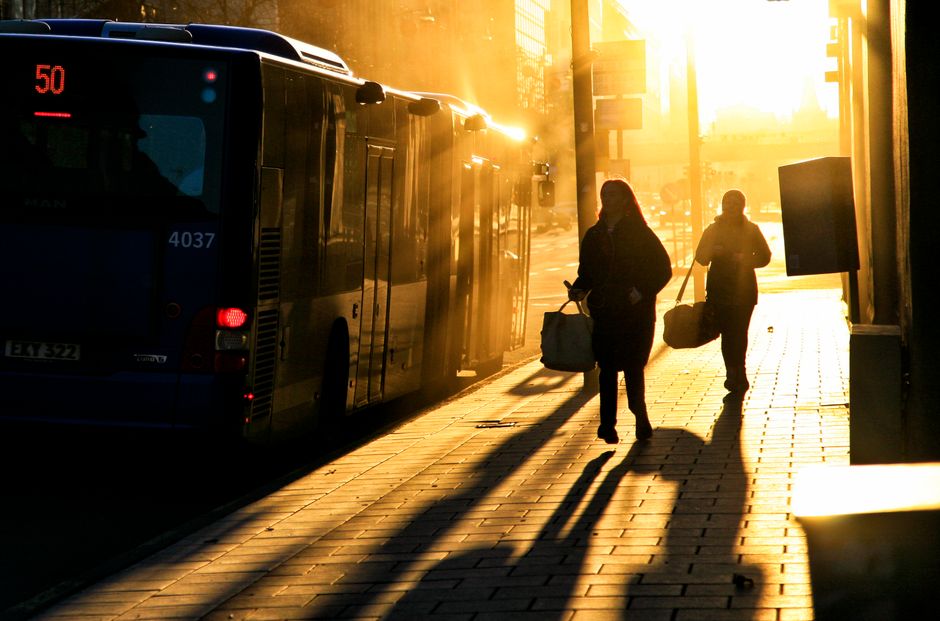
The daily commute is a shared experience that millions of people navigate each day, whether on buses, trains, subways, or in carpools. While it is often viewed as a purely functional part of the day—a means to get from one place to another—the interactions that occur during this time can significantly shape the atmosphere for everyone involved. Small acts of kindness, such as holding a door or offering a seat, are simple yet powerful gestures that can transform a routine trip into a more pleasant and considerate environment. These actions require minimal effort but can have a ripple effect, encouraging others to behave similarly and fostering a sense of community in otherwise anonymous spaces.
Understanding the role of these gestures is not about enforcing rigid rules or expecting rewards; rather, it is about recognizing the interconnected nature of shared spaces. When commuters practice courtesy, they contribute to a culture of mutual respect that benefits all participants. This article explores various small acts of kindness that can be integrated into daily commutes, the contexts in which they are most effective, and the broader implications for public transit and carpooling. By focusing on practical, low-stakes actions, we can all play a part in making the journey smoother for ourselves and those around us.
The following sections will delve into specific categories of courteous behavior, offering examples and considerations for their appropriate use. Each gesture, while seemingly minor, plays a role in shaping the social fabric of commuting. Whether you are a regular on public transportation or a carpool participant, these insights aim to provide a framework for thoughtful engagement without prescribing mandatory actions. The goal is to highlight how simple awareness and consideration can lead to more harmonious shared travel experiences.
The Foundation of Commute Courtesy: Awareness and Respect
At the heart of any kind act is a foundation of awareness and respect for others. In the context of commuting, this means being mindful of the shared environment and the diverse needs of fellow travelers. Public transit and carpools bring together individuals from all walks of life, each with their own schedules, stressors, and physical conditions. Recognizing this diversity is the first step toward fostering a considerate atmosphere. Awareness involves observing one’s surroundings—noticing when someone might need assistance, when a space is crowded, or when personal behavior might impact others. Respect entails acknowledging that everyone has an equal right to a comfortable journey, within the constraints of the system.
Simple gestures like holding a door for the person behind you or stepping aside to let others exit first are practical expressions of this awareness. These actions are not about grand displays; they are about small, consistent behaviors that signal to others that they are seen and valued. For instance, on a busy subway platform, allowing passengers to exit before boarding can prevent congestion and reduce stress for everyone. In a carpool, checking with fellow riders about temperature preferences or music volume demonstrates respect for shared space. Such gestures are universally applicable and do not require special knowledge or training—just a moment of consideration.
Moreover, the practice of courtesy in commuting often involves anticipating the needs of others. This might mean offering your seat to someone who appears to have difficulty standing, such as an elderly person, a pregnant individual, or someone with visible mobility aids. It could also involve speaking quietly on the phone to avoid disturbing others or ensuring that your belongings do not encroach on shared space. These actions, while small, contribute to a more pleasant environment by reducing friction and promoting a sense of mutual care. It is important to note that these gestures should be offered without expectation of reciprocation or recognition; their value lies in the positive impact they have on the collective experience.
Practical Gestures for Public Transit
Public transit systems, with their high volume of passengers and confined spaces, offer numerous opportunities for small acts of kindness. One of the most common and appreciated gestures is offering your seat to someone who may benefit from it. While priority seating is often designated for certain groups, the act of voluntarily giving up a seat can be a meaningful gesture regardless of signage. It is important to approach such offers with sensitivity—asking politely if the person would like the seat rather than assuming. This simple exchange can brighten someone’s day and set a positive tone for the ride.
Another practical gesture is holding the door for the person behind you when entering or exiting a station or vehicle. This small action prevents doors from closing in someone’s face and shows a basic level of courtesy. Similarly, allowing others to board or exit before you can ease the flow of foot traffic and reduce bottlenecks. On crowded platforms, stepping aside to let passengers off before boarding is a practice that benefits everyone by maintaining order and efficiency. These gestures are especially important during peak hours when stress levels can run high.
Beyond these, commuters can practice kindness by keeping shared spaces clean and tidy. Disposing of trash properly, wiping up spills, and avoiding the spread of germs by covering coughs and sneezes are simple actions that contribute to a healthier environment for all. Additionally, being mindful of noise levels—using headphones for music or calls and keeping conversations at a reasonable volume—can make the commute more pleasant for those around you. These behaviors are not just about politeness; they are about acknowledging that public transit is a shared resource that requires collective responsibility.
- Offer your seat to someone who may need it more than you, asking politely first.
- Hold doors open for the person behind you and allow others to exit before boarding.
- Keep noise levels down by using headphones and speaking softly.
- Dispose of trash properly and keep shared spaces clean.
- Be patient and avoid pushing or crowding in busy areas.
Kindness in Carpooling and Ridesharing
Carpooling and ridesharing introduce a different dynamic, where a smaller group of people shares a vehicle for a period of time. In these settings, small acts of kindness can significantly enhance the experience for both drivers and passengers. For passengers, simple gestures like being punctual and ready at the agreed pickup time show respect for the driver’s schedule and other riders’ time. Greeting fellow passengers with a smile or a friendly hello can break the ice and create a more comfortable atmosphere. Offering to help with navigation or contributing to tolls and fuel costs are practical ways to show appreciation and share responsibility.
Drivers can also engage in courteous behavior by ensuring the vehicle is clean and comfortable, and by communicating clearly about the route or any potential delays. Checking in with passengers about preferences for music, temperature, or conversation can make the ride more enjoyable for everyone. It is important to remember that carpooling is a collaborative arrangement, and small considerations—like not leaving trash in the car or returning the vehicle in the same condition—go a long way. These gestures build trust and encourage ongoing cooperation among carpool participants.
Additionally, being mindful of personal space and boundaries is crucial in carpooling. Asking before adjusting settings or engaging in lengthy conversations respects the preferences of others. In cases where carpooling involves colleagues or acquaintances, these small acts of kindness can also translate into improved professional relationships. By consistently practicing courtesy, carpoolers can create a positive and supportive environment that makes the daily commute something to look forward to rather than dread.
The Ripple Effect of Small Gestures
The impact of small acts of kindness extends beyond the immediate moment. When someone experiences a courteous gesture during their commute, they are more likely to pay it forward, creating a ripple effect that can gradually shift the social norms of shared spaces. This phenomenon is not about expecting a direct reward but about recognizing that behavior is contagious. A simple smile or a held door can inspire others to act similarly, leading to a more considerate commuting culture. Over time, these small actions can contribute to a reduction in conflicts and an increase in overall satisfaction with public transit and carpooling.
Furthermore, the practice of kindness in commuting can have personal benefits. Engaging in prosocial behavior has been associated with improved mood and reduced stress, which can make the commute itself more enjoyable. For many, the daily commute is a significant source of stress; small acts of kindness can serve as a buffer against the frustrations that often arise from delays, crowding, or other challenges. By focusing on what we can control—our own behavior—we can exert a positive influence on our immediate environment.
“A simple gesture of kindness can turn a stressful commute into a moment of connection.”
It is also worth noting that these gestures are not about being overly familiar or intrusive. They are about maintaining a baseline of civility and respect that acknowledges the humanity of those around us. In a world where many interactions are fleeting and anonymous, choosing to act with kindness is a deliberate choice that can have meaningful implications. As more commuters adopt these practices, the shared experience of travel can become more pleasant for everyone, regardless of the mode of transportation.
Balancing Kindness with Personal Boundaries
While small acts of kindness are generally positive, it is important to balance them with personal boundaries and situational awareness. Not everyone may welcome an offer of assistance, and it is crucial to respect a person’s autonomy. For example, offering a seat is a kind gesture, but if the offer is declined, it should be accepted gracefully without insistence. Similarly, holding a door is courteous, but in some cultures or contexts, it may be perceived differently. Understanding these nuances helps ensure that kindness is received as intended rather than as an intrusion.
Commuters should also be mindful of their own capacity to act kindly. It is not necessary to go out of one’s way to the point of inconvenience or personal discomfort. Small gestures should be sustainable and fit naturally into the flow of the journey. For instance, if you are carrying heavy bags or are physically exhausted, it is acceptable to prioritize your own needs. The key is to act with consideration when possible, without feeling obligated to perform kindness at the expense of your own well-being.
In carpooling situations, boundaries are equally important. Respecting agreed-upon rules, such as quiet hours or seating arrangements, is a form of kindness that maintains harmony. Open communication about expectations can prevent misunderstandings and create a more comfortable environment. By being attentive to both the needs of others and one’s own limits, commuters can practice kindness in a way that is authentic and sustainable.
Conclusion: Small Steps Toward a Better Commute
In summary, the daily commute offers numerous opportunities for small acts of kindness that can transform the experience for everyone involved. From offering a seat on public transit to being a considerate carpool passenger, these gestures are simple, accessible, and impactful. They are not about grand sacrifices but about consistent, mindful behaviors that acknowledge our shared space and our shared humanity. By integrating these practices into our routines, we can contribute to a more pleasant, respectful, and harmonious commuting culture.
The suggestions provided are intended as a guide rather than a prescription. Each commuter must navigate their own context and decide what feels appropriate. The goal is to foster awareness and encourage a spirit of consideration, not to impose rules or expectations. As we go about our daily travels, let us remember that even the smallest gesture can make a difference, and that the collective effect of many small kindnesses can be profound. Ultimately, the quality of our commute is shaped by the choices we make and the way we treat those around us.