Organizing a Neighborhood Cleanup Day That Actually Brings People Together
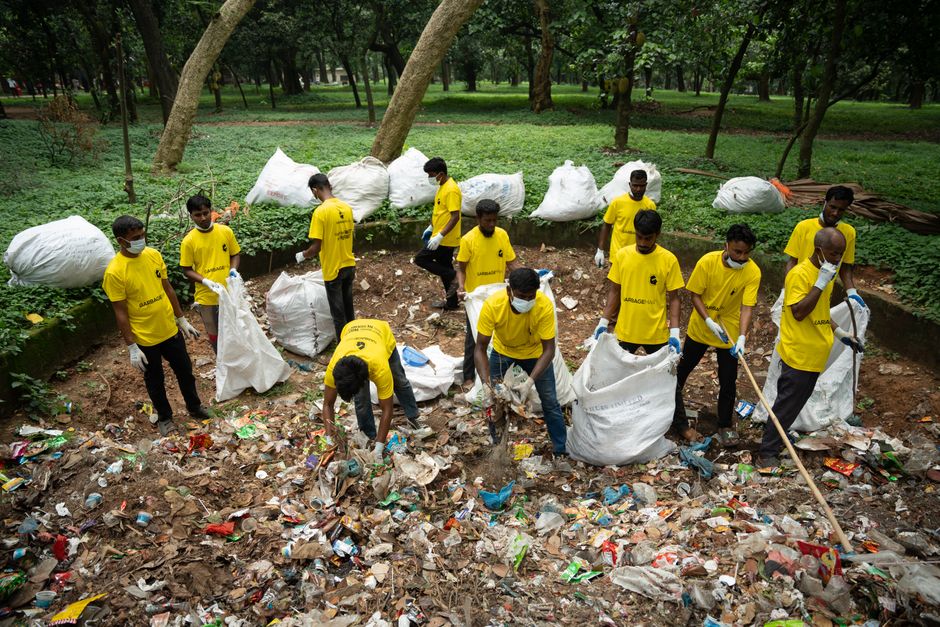
A neighborhood cleanup day is less about collecting bags of litter and more about building a shared sense of place. When residents work side by side on a common task, they learn names, notice details about their streets, and often leave with a stronger connection to the area they call home. The practical work matters, but the social fabric that forms around it is usually what makes people want to participate again the following year.
Coordinating an event like this involves several moving parts: choosing a date and route, recruiting volunteers, gathering supplies, spreading the word, and planning what happens on the day itself. Each piece can be handled with simple, repeatable steps that do not require special expertise or a large budget. What matters most is clarity, consistency, and a willingness to adapt as the plan develops.
This guide walks through a process-oriented approach to organizing a community cleanup. It covers early planning, volunteer coordination, supply logistics, publicity, and the day-of experience, along with a few considerations for keeping the event safe, inclusive, and sustainable over time. Kindred Daily shares this outline as a general framework; local circumstances, municipal rules, and neighborhood preferences will shape how each step is applied.
Start with a Clear Scope and a Realistic Date
Before recruiting anyone, define what the cleanup will actually cover. A single block, a park perimeter, a creek bank, or a few connected streets are all workable scopes. Larger areas require more volunteers, more supplies, and more coordination, so a modest first event often produces better results than an ambitious one that stretches resources thin. Walking the area in advance helps identify high-accumulation spots, safety concerns, and access points for vehicles or equipment.
Choosing a date involves more than checking a calendar. Weekends in spring and early fall tend to draw higher turnout in many U.S. neighborhoods, but local schedules matter: school events, religious observances, sports seasons, and holiday weekends can all affect availability. Giving three to four weeks of lead time is a common planning window, though shorter timelines can work for smaller gatherings. It also helps to identify a rain date or a light-rain plan so that a single forecast does not cancel weeks of preparation.
Early in the process, check with local authorities about any permits, waste collection arrangements, or restrictions on where collected material can be placed. Municipal public works departments, parks departments, and neighborhood associations are typical points of contact. Confirming these details early prevents last-minute complications and clarifies expectations for everyone involved.
- Define the cleanup boundary and note access points.
- Pick a primary date and a backup date.
- Confirm permit, disposal, and placement requirements with local offices.
- Identify a central meeting location with room for check-in and supplies.
Build a Volunteer Structure That People Can Join Easily
Volunteer coordination works best when the sign-up process is simple and the roles are clearly described. A short form that asks for name, contact information, preferred time window, and any physical limitations gives organizers enough information to assign tasks without overwhelming participants. Offering two- or three-hour shifts lowers the commitment barrier and allows people with busy schedules to take part. Families, students, older residents, and local businesses can all be invited through channels they already use.
Roles do not need to be elaborate, but naming them helps. Greeters can welcome arrivals and direct them to check-in. Supply stewards can manage gloves, bags, grabbers, and water. Route leads can guide small groups through assigned sections. A photographer or note-taker can document the day for future communications. Assigning a few people to setup and teardown keeps the event from depending on one organizer. When responsibilities are visible, volunteers tend to feel more confident about where they fit.
Inclusion deserves deliberate attention. Some residents may prefer tasks that do not involve lifting or walking long distances, such as sorting recyclables, staffing the welcome table, or preparing refreshments. Providing clear information about accessibility, noise levels, and expected physical activity allows people to choose participation that suits them. Language access, transportation, and childcare considerations can also shape who is able to attend, and small accommodations often make a meaningful difference.
People are more likely to return when their first experience is clear, welcoming, and matched to what they are able to contribute.
Plan Supplies and Logistics Around the Actual Route
Supplies should follow from the scope and the number of expected participants, not from a generic list. Gloves in multiple sizes, heavy-duty bags, grabbers, and a first-aid kit form a basic core. Separate containers for recyclables and general waste help reduce sorting confusion later. Water and light refreshments are common additions, especially for warmer months, and a shaded rest area gives volunteers a place to pause. If the area includes sharp or hazardous items, organizers should establish a clear protocol for leaving them undisturbed and notifying the appropriate local contact.
Logistics also include staging and disposal. A central meeting point with tables, signage, and a visible check-in station creates an obvious starting place. Marking bag drop-off locations along the route prevents volunteers from carrying full bags unnecessarily. Confirming where collected material will be placed and when it will be picked up is essential; uncollected bags can become a source of frustration. Kindred Daily suggests writing the disposal plan down and sharing it with route leads so that questions can be answered quickly on the day.
Budgets vary widely, and many events operate on donations, small grants, or in-kind contributions from local businesses. Tracking expenses and donations in a simple record supports transparency and makes it easier to plan future events. Reusable items, such as borrowed grabbers, buckets, and signage, can reduce costs and waste across multiple cleanups.
- Estimate participant numbers and scale supplies accordingly.
- Prepare a supply checklist and assign a steward to each item group.
- Confirm bag drop-off points and pickup timing.
- Record expenses, donations, and borrowed equipment.
Publicize Through Several Channels, Repeatedly
Publicity works best as a layered effort rather than a single announcement. Neighborhood group chats, email lists, social media pages, printed flyers, and word of mouth each reach different audiences. A short message that states the date, time, meeting location, what to bring, and how to sign up covers the essentials. Repeating that message at intervals, with small updates as details are confirmed, keeps the event visible without requiring constant promotion.
Local businesses, schools, faith communities, and civic groups can serve as trusted relays for information. Personal invitations often increase participation more than general announcements, particularly for residents who are new to the area or hesitant about joining a group activity. Partnering with an established organization can also lend credibility and extend reach, though it is worth clarifying roles and expectations in advance.
After the event, a brief recap with photos, participation numbers, and a thank-you note continues the communication cycle. This follow-up is not only courteous; it also documents what happened, which can be useful when applying for small grants or coordinating future activities. Keeping the tone factual and appreciative tends to resonate better than overstated claims about impact.
Manage the Day Itself with Calm and Flexibility
On the day, a short welcome and safety briefing sets the tone. Covering basic guidance about staying within assigned areas, handling unexpected items, hydration, and check-out procedures takes only a few minutes and reduces confusion. Route leads can then guide groups to their sections, while greeters remain at the meeting point for late arrivals. A visible schedule, even a handwritten one, helps everyone know what to expect.
Flexibility matters. Weather shifts, lower or higher turnout than expected, and unexpected obstacles are normal. Having a few extra supplies and a clear way to reassign tasks allows the event to continue smoothly. Organizers should also plan for rest breaks and an end-of-event gathering, which gives volunteers a chance to connect and reinforces the social purpose of the day.
Afterward, a simple debrief with core volunteers can capture what worked and what should change. Notes about supply shortages, route issues, or communication gaps are more useful when recorded soon after the event. Over time, this documentation builds a practical playbook that makes each successive cleanup easier to coordinate and more welcoming to new participants. The aim is not a flawless event, but a repeatable process that residents recognize and feel comfortable joining.